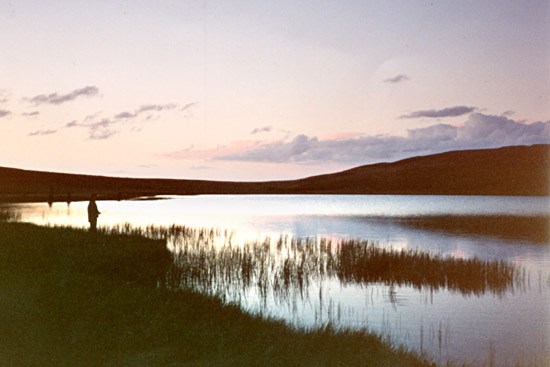


Durness Lochs
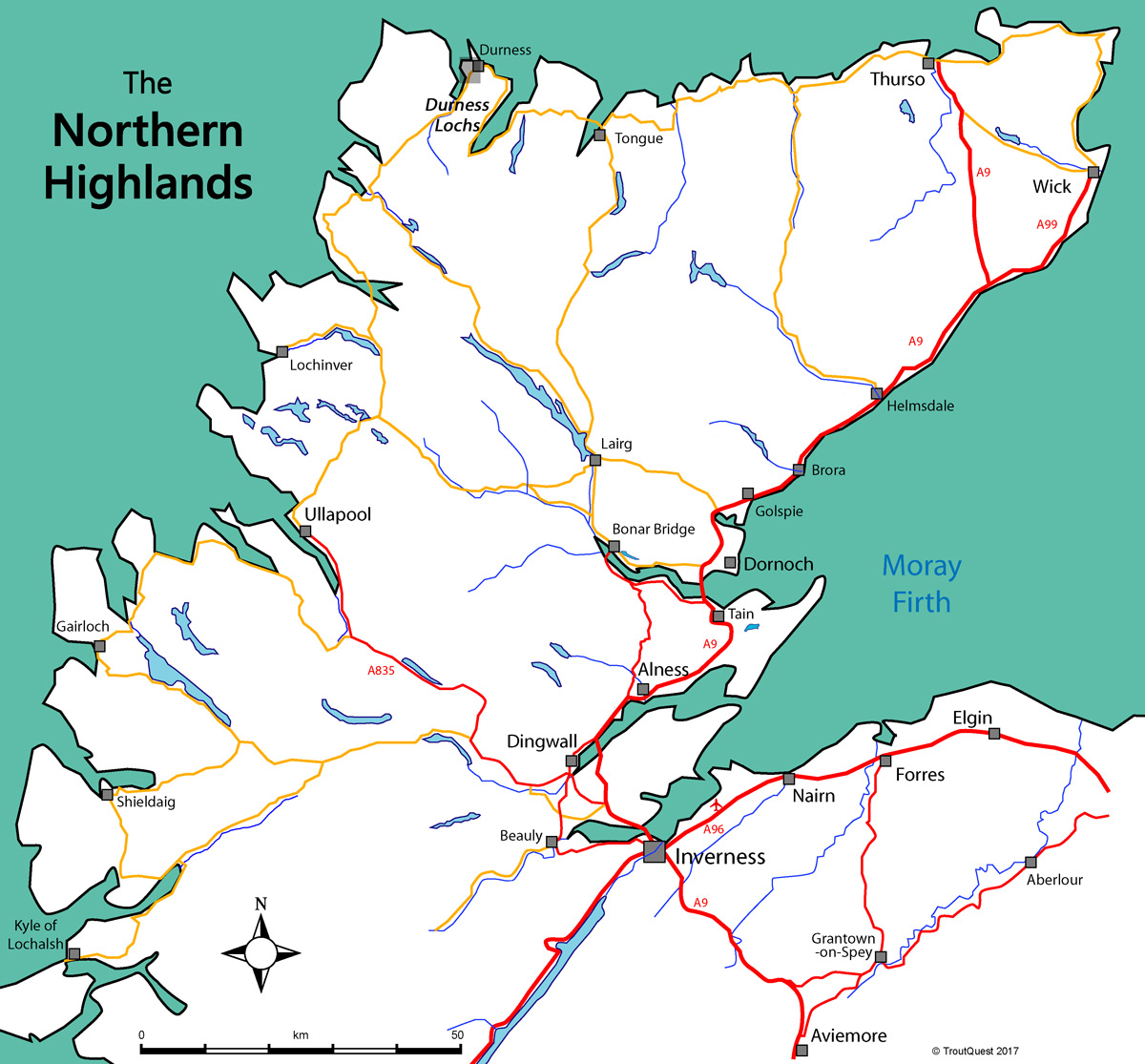
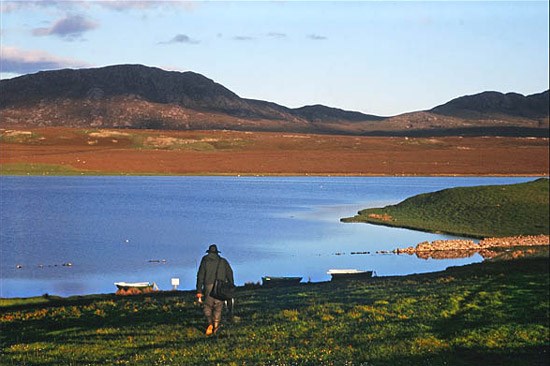
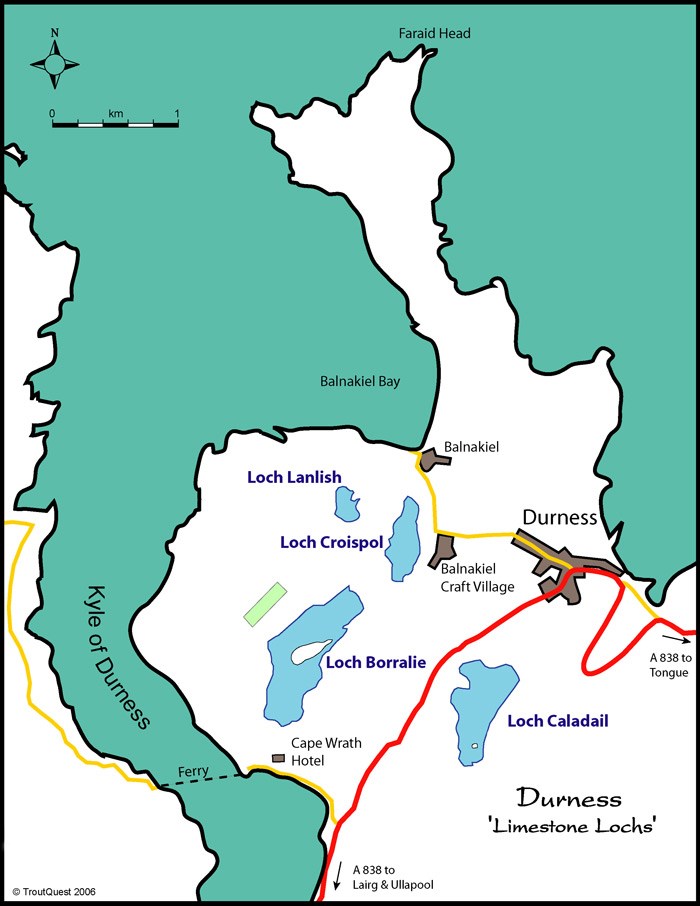
Durness is located on the north coast of Sutherland, in the north-west corner of the Scottish mainland. All the lochs lie near to sea level, but given their northerly location, fishing doesn't really get going until late April.
The Durness 'limestone lochs' were formerly offered by the Cape Wrath Hotel, and have a long and renowned angling history. The fishing is now controlled by the Keoldale Sheep Stock Club. Fishing pressure seems to have increased in recent years, but these lochs are still well worth a visit.
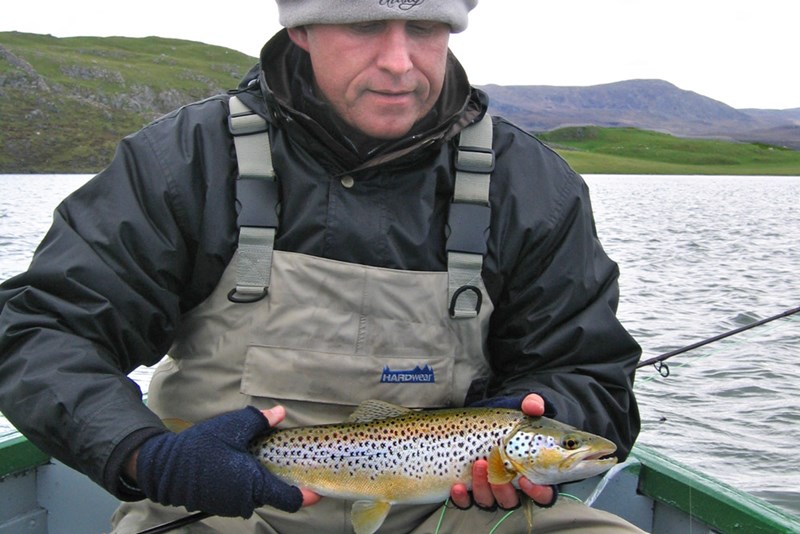
There are 4 lochs: Borralie (Borralaidh), Caladail, Croispol and Lanlish, which share similar characteristics: an alkaline limestone source; crystal clear water; generally shallow with a few deep holes; prolific insect and crustacean life; challenging and often difficult fishing; superb quality wild brown trout.
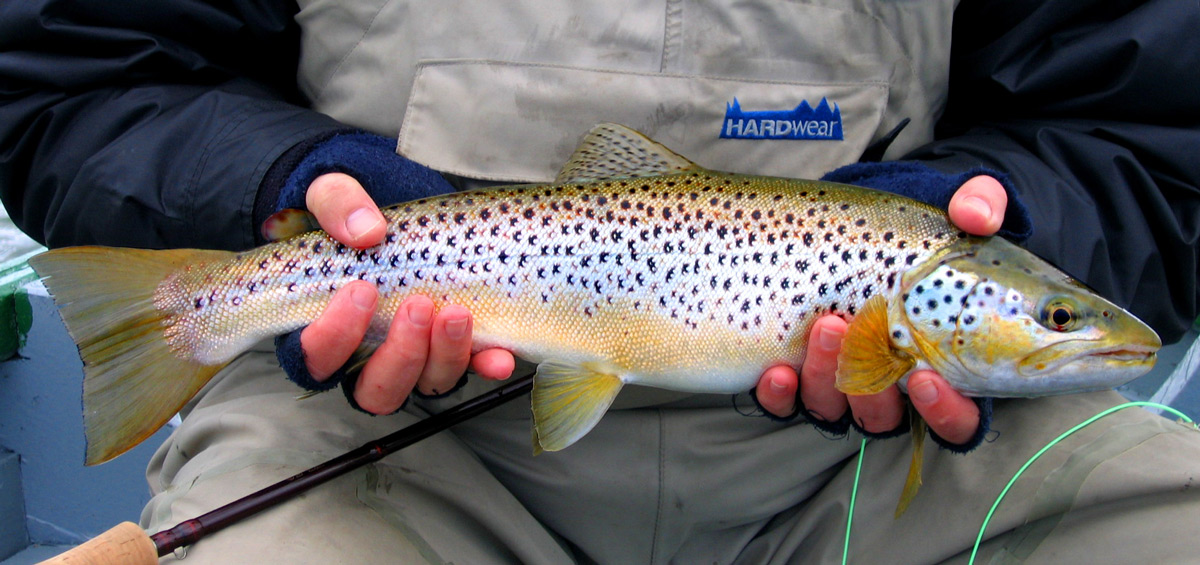
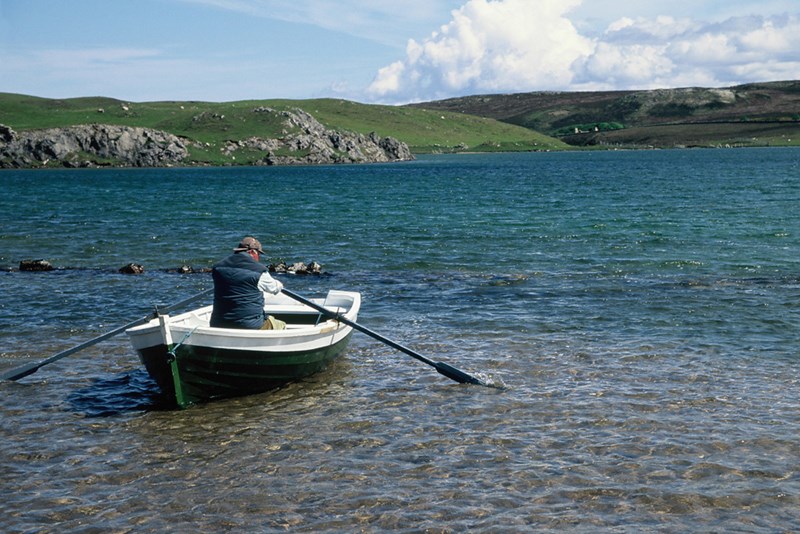
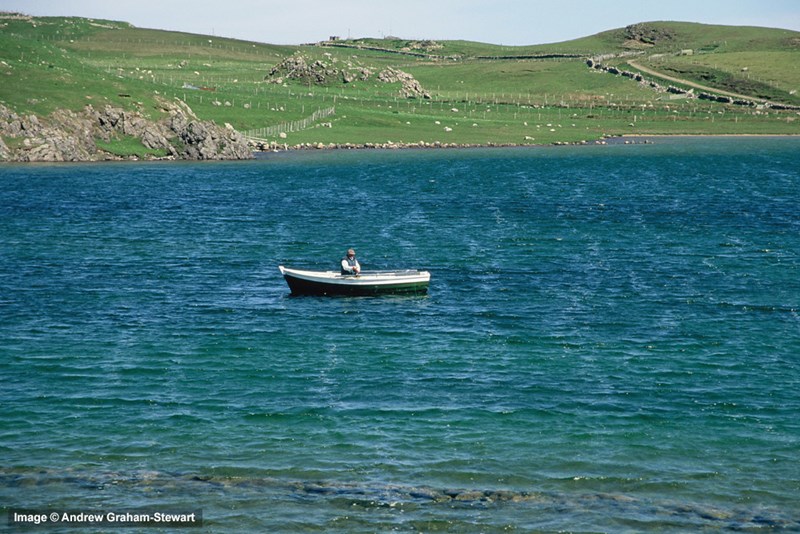
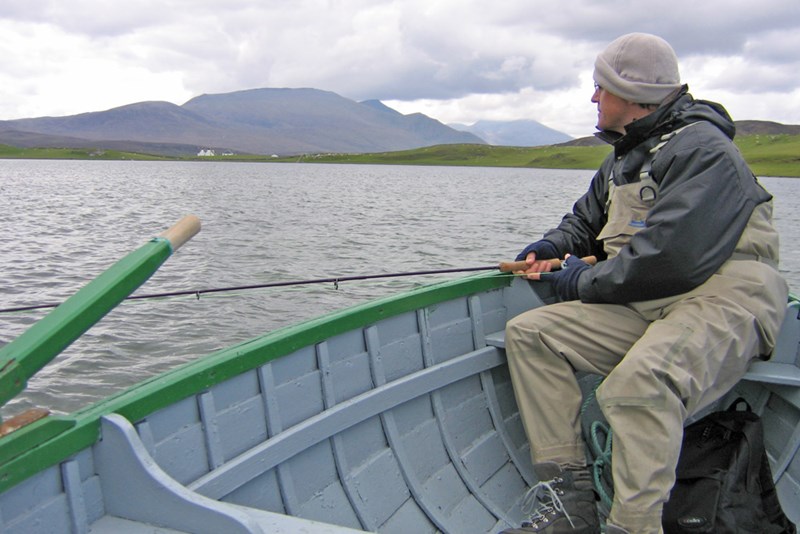
The fishing is mainly by boat, but the lochs also offer excellent bank fishing.
Loch Croispol
A small loch, less than 700m long covering 28.5 acres. Croispol is a small loch, less than 700m in length and is relatively sheltered, lying at an elevation of only 14m above sea level. Much of the loch is relatively shallow, 4m or less, but there is a deep hole close to the east shore. Of the 4 lochs, this contains the smallest fish, but still averaging a respectable 1 lb.
Loch Borralie
The largest of the 4 lochs, at just under a mile long with a surface area of approximately 97 acres. There is a large island in the middle of the loch separated from the East bank by a narrow channel. The loch fishes well from a boat, along the shores and across the shallows, but bank fishing is equally productive. Excellent trout averaging 1½ lb, but a few up to 3 lb.
Loch Caladail
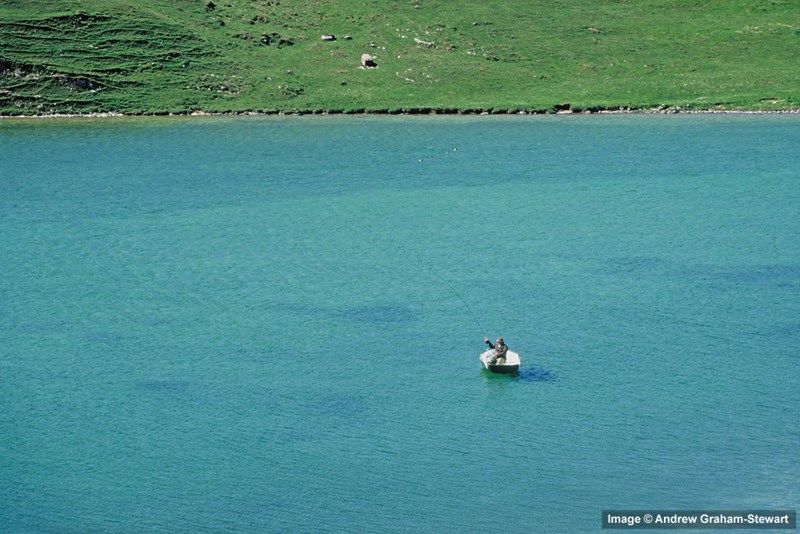
My favourite! A good size loch of 62 acres, formed when the outflow was dammed in the 1920s. The result is a loch that is largely shallow, at between 1.5 to 3m in depth, differing from the other lochs in that there are no deep holes.
The water is crystal clear with patches of emergent weed, producing prolific insect and crustacean life. Fishing in bright sunshine during the day, particularly if there is a wind, can be very difficult. This loch fishes the best in the evening, when the sun is down and buzzers and sedges begin to hatch.
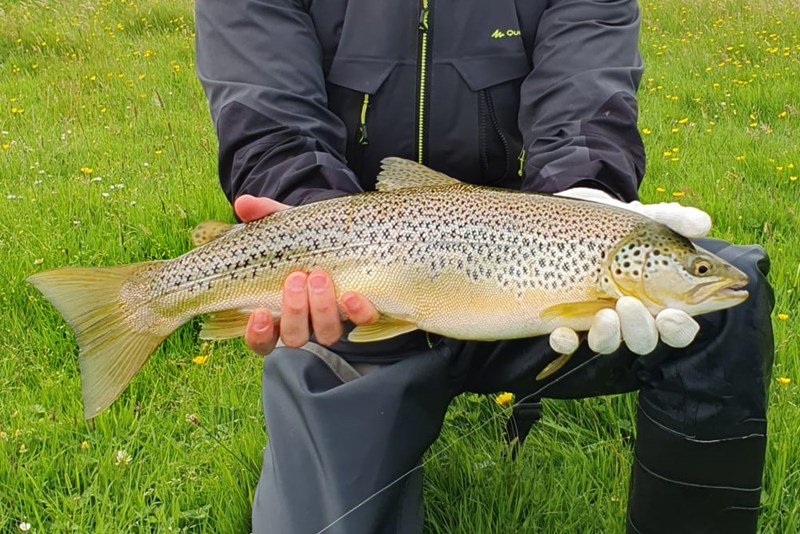
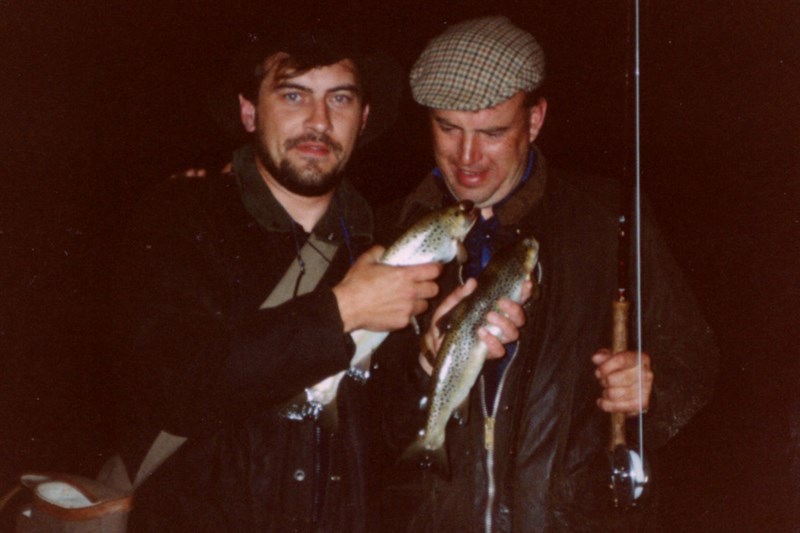
Excellent trout, averaging over 2 lb, with a few fish of over 4 lb caught each year.
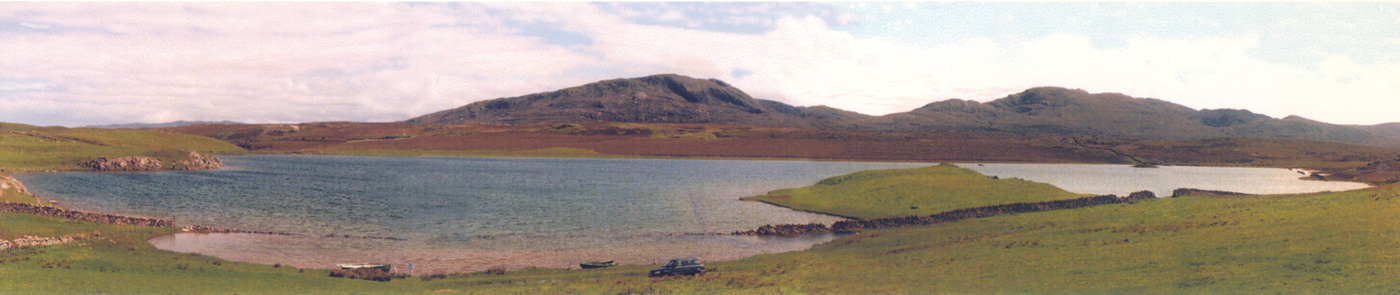
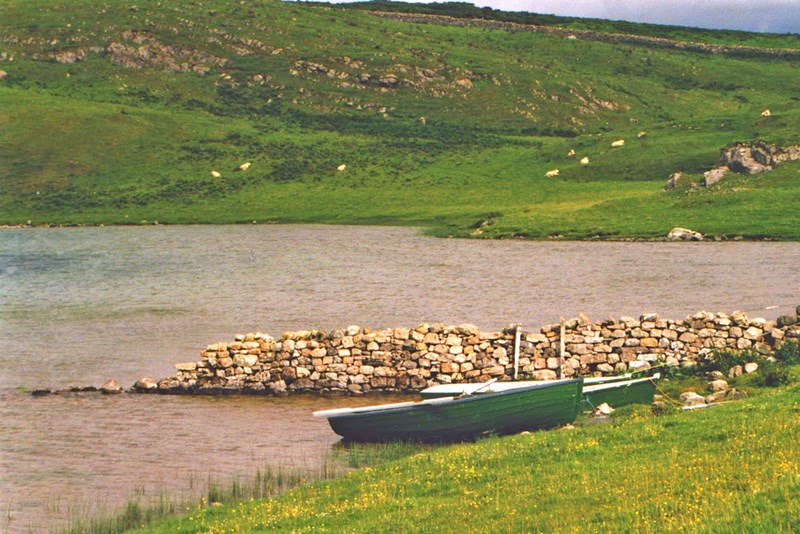
Loch Caladail
Loch Lanlish
The smallest loch lying in a slightly elevated position beside the golf course. A dour loch, generally fished at night. A big fish reputation, averaging over 3 lb, and up to 8 lb, but more likely to frustrate than reward.
As the average size of fish increases, the numbers reduce and the fishing generally gets harder, so Loch Croispol is the most prolific, and although Lanlish produces huge fish, only a few are caught each year.
Tactics for the main 3 lochs usually depend on the weather conditions. In calm conditions or light winds, surface dry fly (buzzers), nymphs or emergers will likely be most successful, in medium winds and a light to medium wave, traditional Scottish wet fly tactics will probably work best.
Strong winds are not desirable as petrol outboards are not allowed, and as on most Highland wild brown trout fisheries, in combination with bright blue skies, prospects will be poor.